Horses of Three-System Performance
Some horses teach us how to win.
Others teach us how to understand.
Every system is shaped by the horses behind it.
Three-System Performance was not built from theory alone. It developed over time through the horses that required more - more observation, more patience, and a deeper understanding of what truly limits performance.
Some of these horses were exceptional athletes.
Others were complex, inconsistent, or difficult to explain.
Each one revealed something different.
Some exposed the importance of physical preparation.
Others made it clear that nervous system regulation cannot be ignored.
And some forced a closer look at underlying physiological stress that is often missed.
Together, these horses shaped the foundation of Three-System Performance.
Their stories are not just examples of success.
They are the lessons that made the system possible.
FastTime — The Horse That Started the Questions
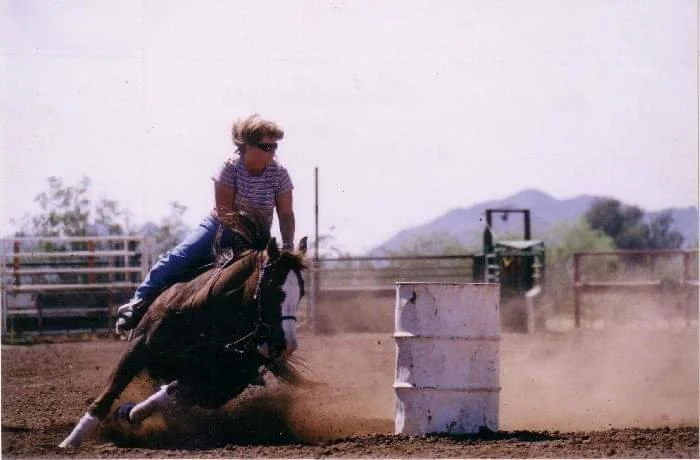
FastTime was one of the horses who first pushed me to look deeper at conditioning and equine physiology.
He was performing at a high level when subtle changes began to appear — small inconsistencies that didn’t fit the usual explanations. At the time, no one could fully explain what was happening.
Like many performance horses, he was expected to continue working through those changes.
But something wasn’t right.
That experience began to shift how I thought about performance.
Training performance horses requires more than simply asking for effort. Horses must be physically and neurologically prepared for the workload we ask them to carry.
FastTime marked the beginning of a deeper search for answers - one that eventually led to a better understanding of the role of physiological stress and protozoal infections such as Sarcocystis fayeri, which are often overlooked in traditional approaches.
Those early lessons laid the foundation for what would later become the physiology and conditioning components of Three-System Performance.
Some of the most important lessons in horsemanship come from the horses we couldn’t immediately fix.
Fueg - Rebuilding Through Understanding
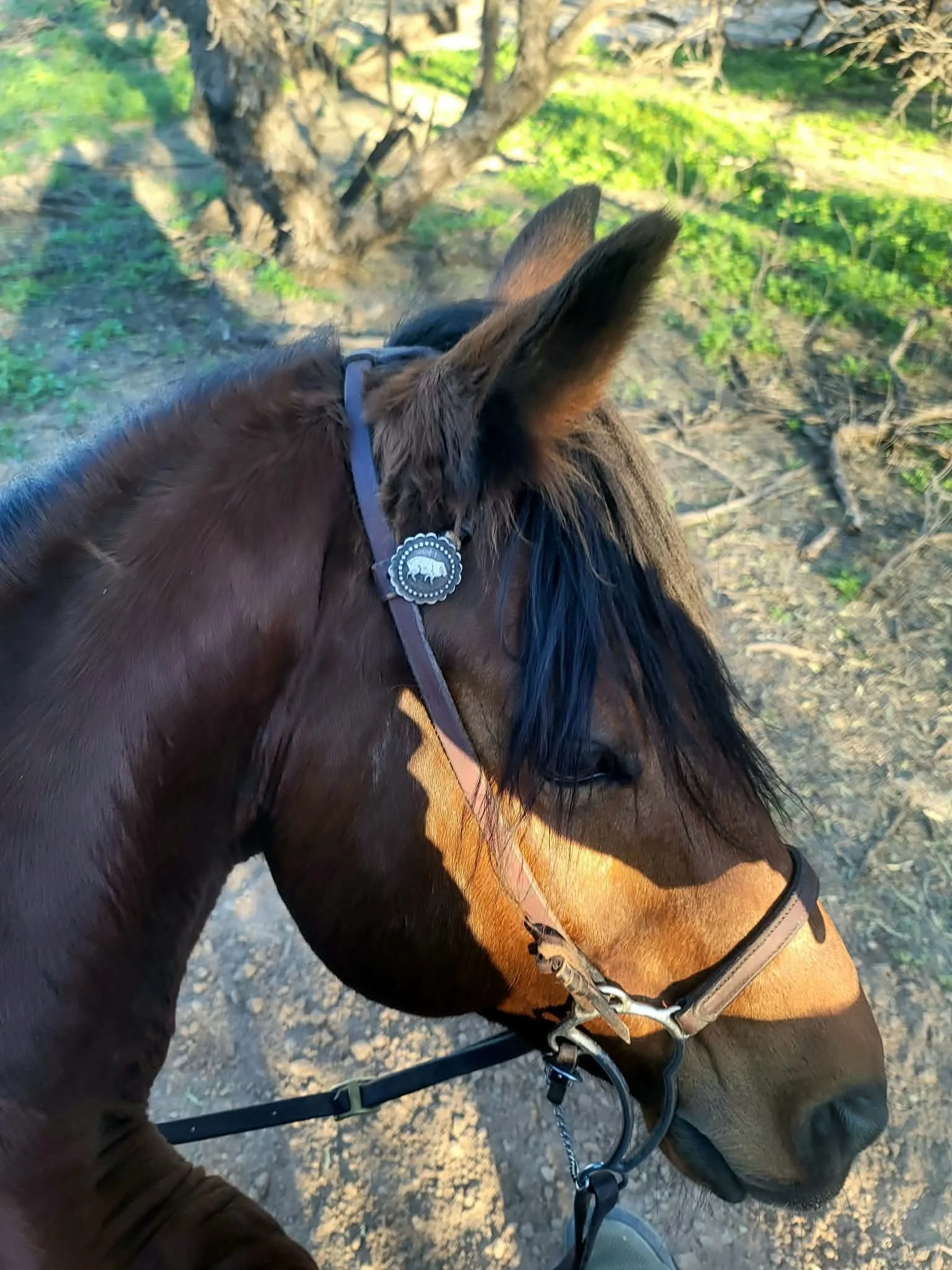
Fueg has been one of the most challenging horses I’ve ever worked with.
His challenges did not fit typical training explanations. At times he showed behaviors many riders would describe as difficult or unpredictable. But those experiences required me to look more closely at the horse’s nervous system and the role regulation plays in performance.
Through that process, it became clear that many training struggles are not simply problems of training or effort. They are often reflections of deeper neurological stress within the horse.
Fueg’s journey pushed me to better understand how physiology and neurology interact — and how those systems must be addressed before true performance can return.
His program requires careful attention to nervous system patterns, not just physical conditioning.
Progress is not created by pressure.
It is rebuilt through regulation.
Drago — Precision Under Pressure
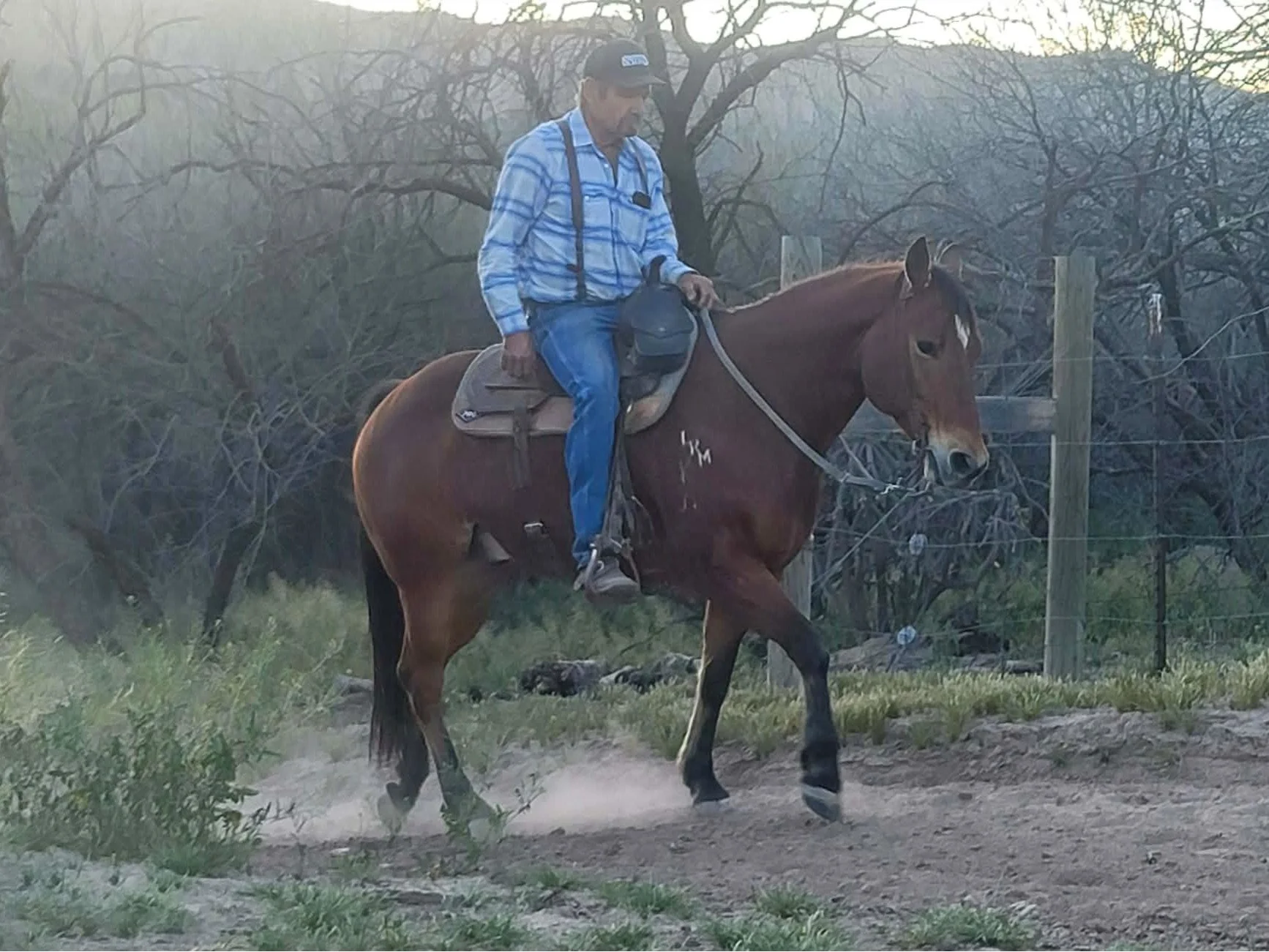
Drago demonstrates how balanced physiology and nervous system regulation allow a horse to perform with clarity and precision.
He is currently being developed as a mounted shooting horse — a discipline that requires rapid responses, controlled intensity, and the ability to remain mentally present under pressure.
In this type of work, the horse’s ability to stay regulated in moments that require immediate response is just as important as physical ability.
When conditioning, physiology, and neurology are developed together, horses are able to respond quickly without losing balance, clarity, or responsiveness.
Drago continues to show how the principles of Three-System Performance apply across disciplines where precision and pressure must coexist.
King -Building Toward Peak Performance
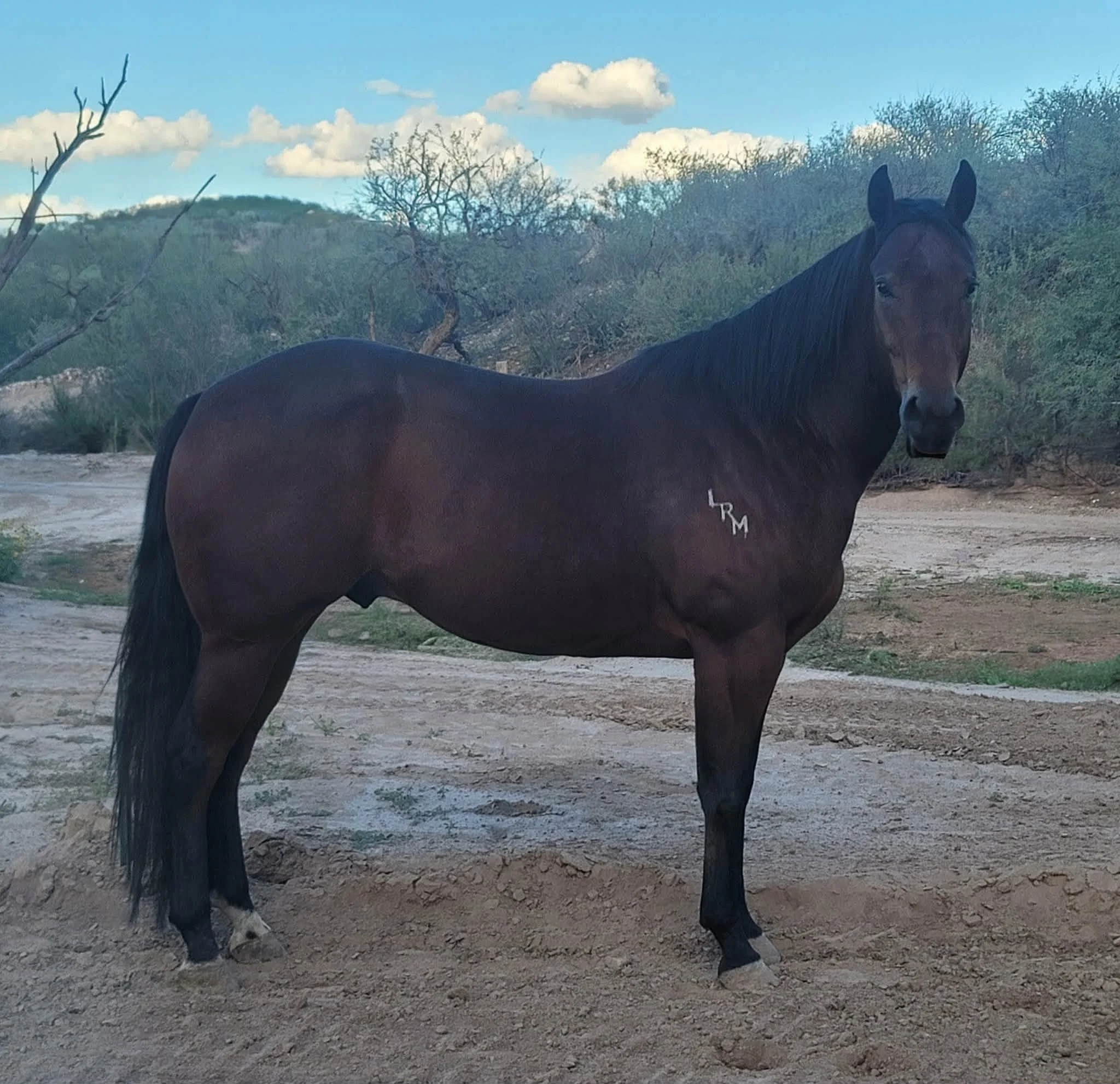
King represents the current application of Three-System Performance at its highest level.
His program is built with a clear objective: to develop a horse capable of performing at a high level while maintaining soundness, mental stability, and long-term durability.
Unlike many performance programs that prioritize intensity early, King’s development emphasizes preparation — building the physical capacity and nervous system balance required to support speed and precision later.
He is conditioned to meet the demands of performance before being asked to perform at full intensity. Every stage of his program is structured to build capacity before demand increases.
This approach allows strength, coordination, and regulation to develop together.
King’s progression reflects the core principle of Three-System Performance:
True performance is not created by pressure.
It is built through preparation.
The goal is not just performance, but performance that lasts.
If you’d like help understanding your own horse through this framework, you can contact me here.